
Research
1
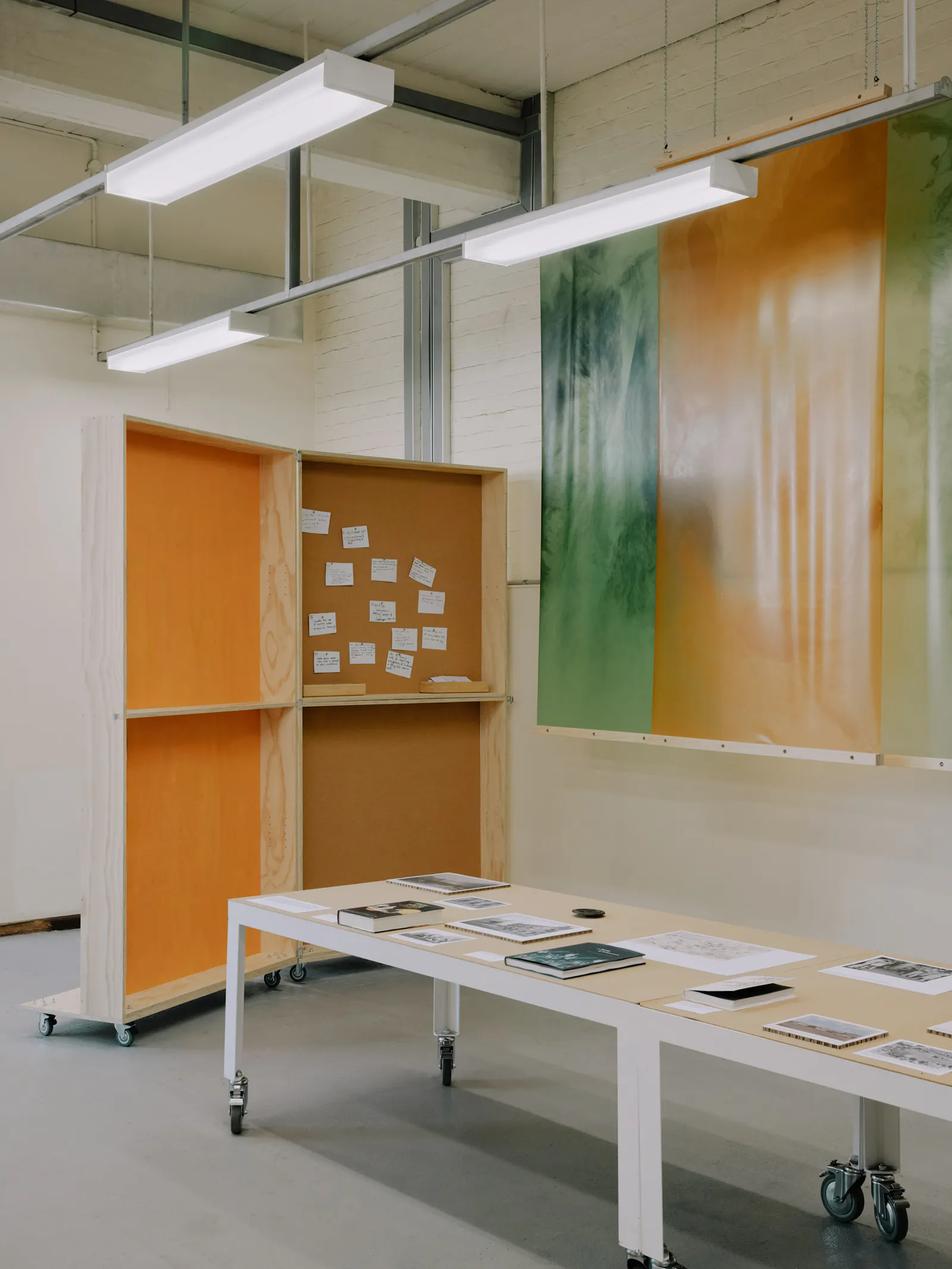
Living PlacesSustainability remains a persistent question within exhibition design, particularly in relation to the temporary nature of exhibitions and the material systems they often rely upon. Rather than treating sustainability as an add-on, how can reuse and adaptability be embedded into the material and spatial logic of the exhibition itself?
For Living Places, we developed a series of four mobile display units designed to extend beyond the exhibition. The units allow the space to shift between exhibition, presentation and workshop modes, enabling ongoing reconfiguration. Alongside this, we collaborated with OM Signage Film, a signage film produced from algae-derived polymers and manufactured without petrochemical inputs.
The Living Places Exchange is a physical expression of RMIT’s Living Places Plan. It is a platform for an evolving ecology of ideas, showcasing a rotating selection of RMIT’s learning, teaching and research and its real-world impact on shaping places.
2
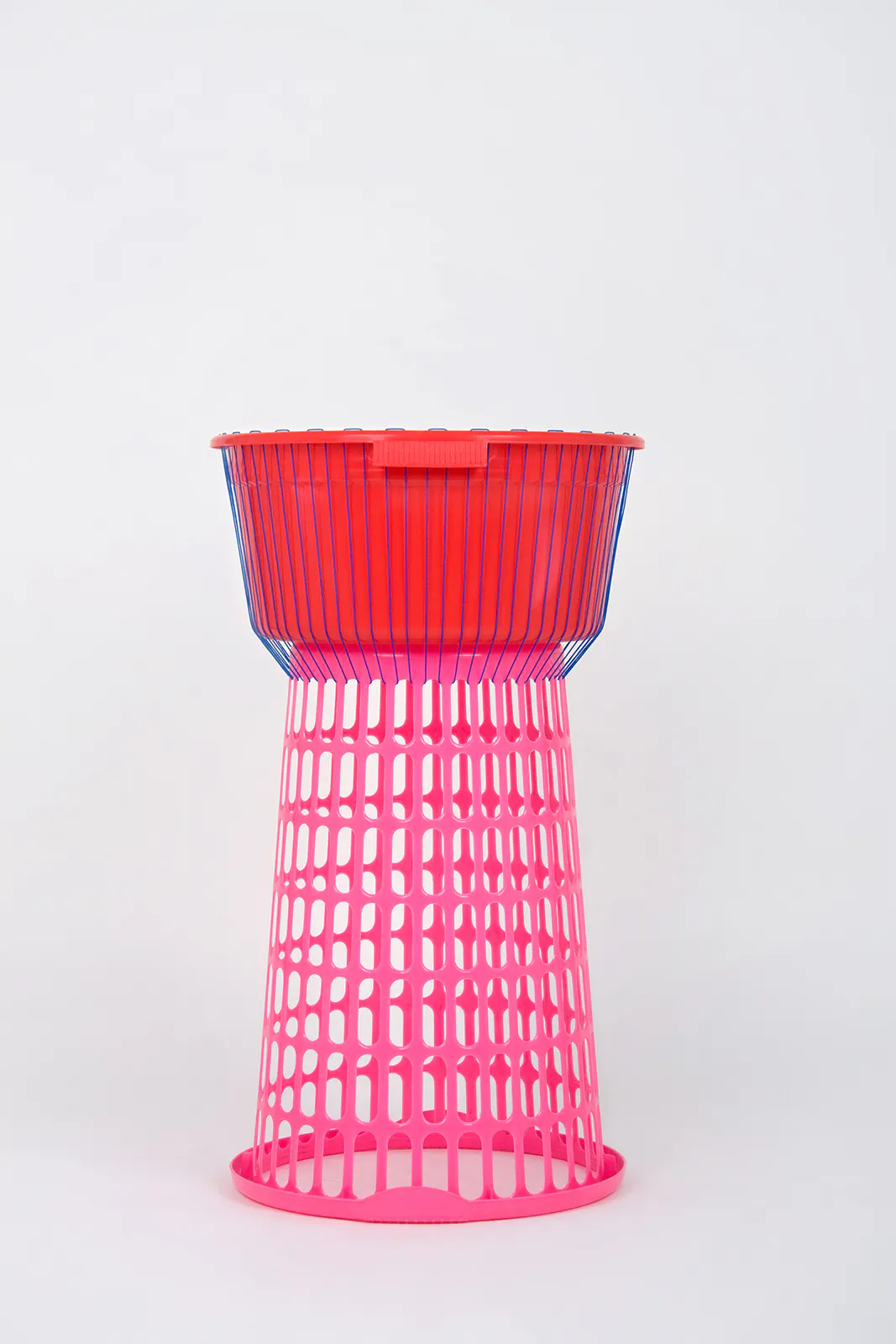
Field ExperimentsField Experiments is a nomadic design collective founded by Paul Marcus Fuog, Benjamin Harrison Bryant and Karim Charlebois-Zariffa. Through temporary residencies, research and collaboration with local makers, the collective explores how objects can communicate stories of people and place. Working at the intersection of craft, design and cultural exchange, Field Experiments develops artefacts and souvenirs that translate local histories, materials and everyday observations into tangible forms.
3
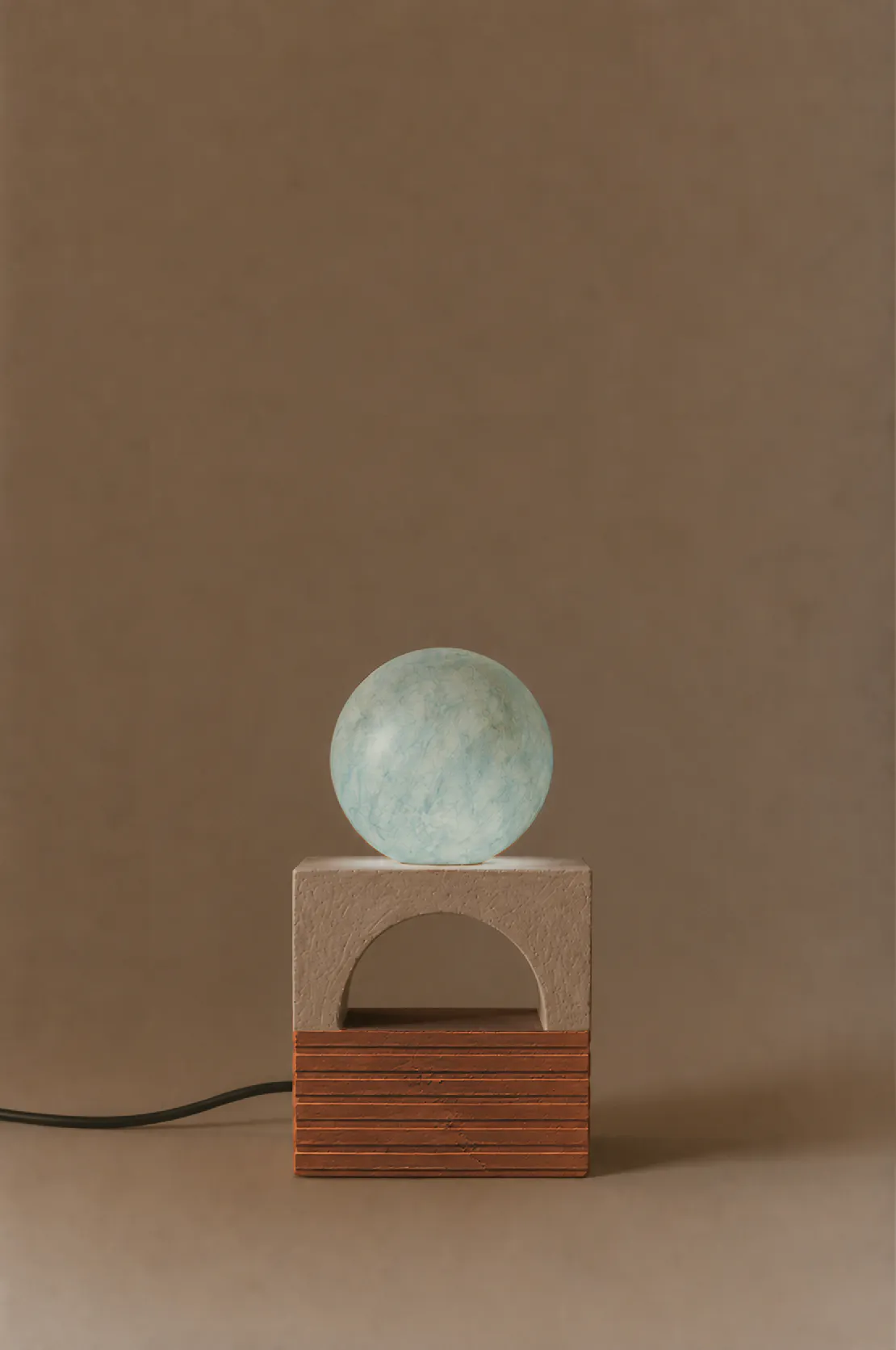
Light prototype No.1Frosted resin, cast concrete, extruded red clay, 30cmx20cmx15cm
4
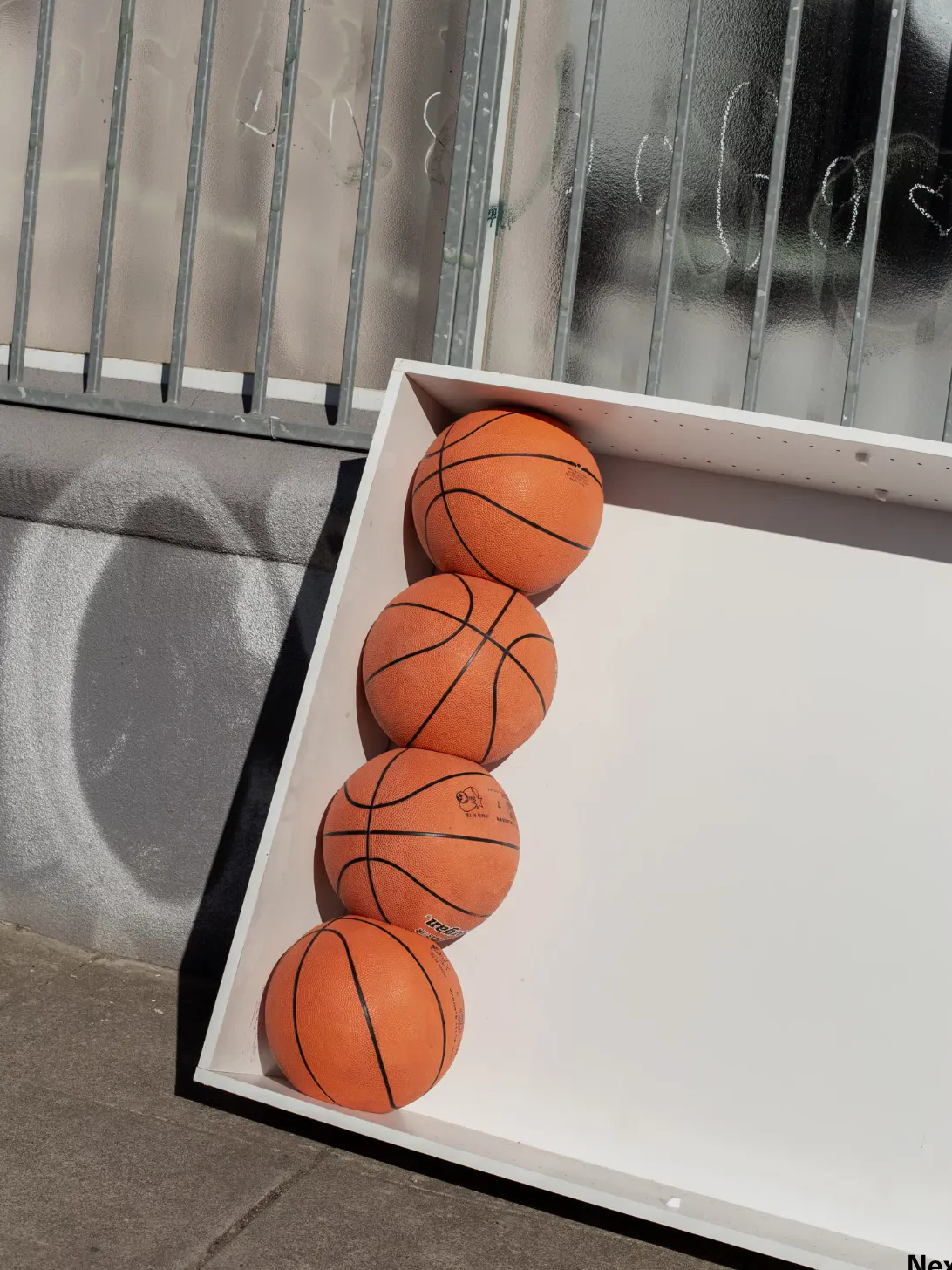
Unit of measureUnit of Measure is an ongoing photographic project by U-P that uses a standard-sized basketball as a universal unit for measuring the city. Through a series of urban surveys, the project explores observation, density and urban development, using an everyday object to reveal new ways of understanding and interpreting the built environment.
5
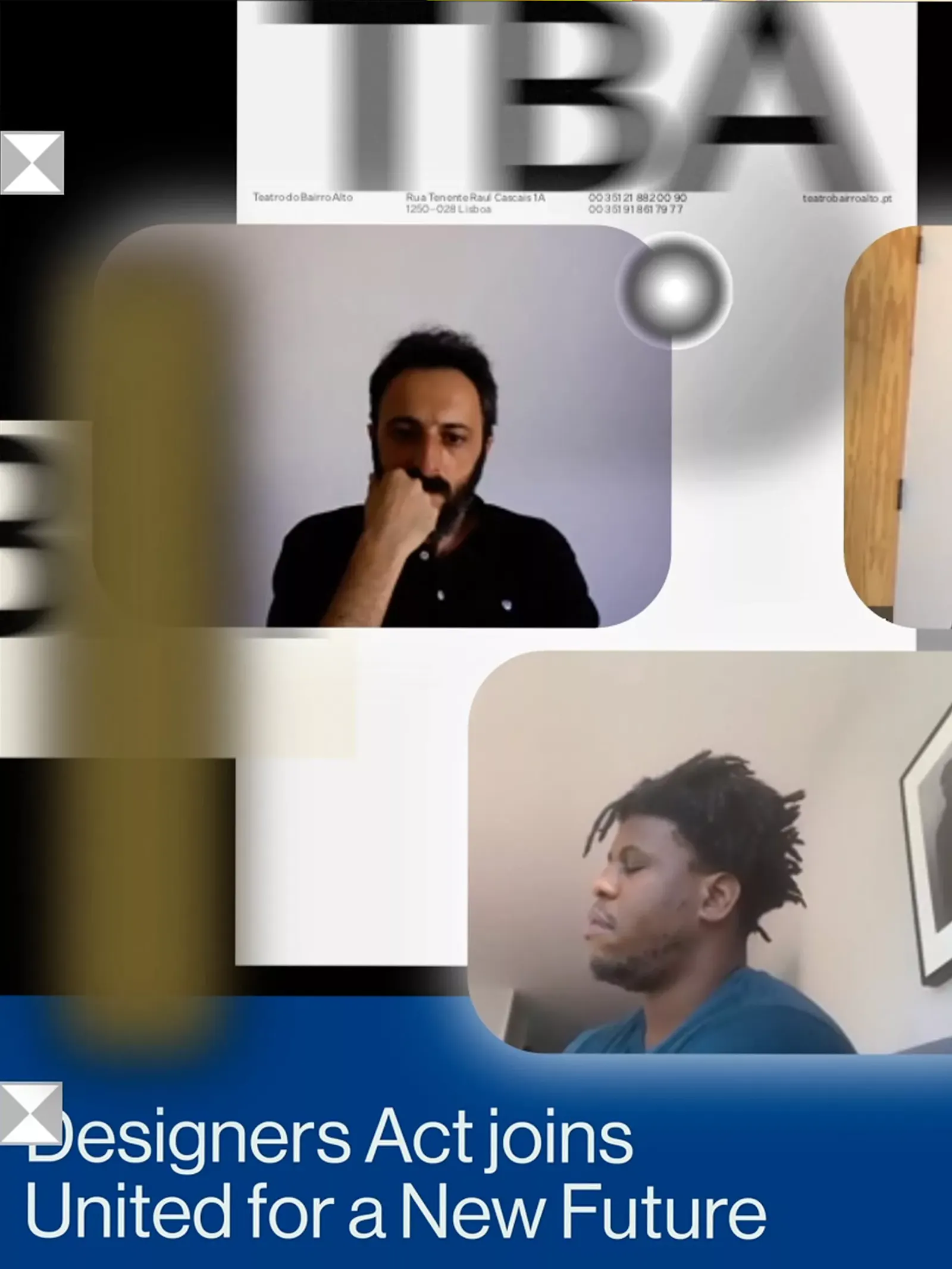
Spaced ApartSpaced Apart was an online symposium we developed during the pandemic that connected a global community of artists, designers and cultural practitioners. The program explored themes of solitude, loneliness and togetherness through a series of live presentations and discussions. Spaced Apart was co-curated by U-P, RMIT Design Hub Gallery, PHOTO Australia, Aesop, Powerhouse Museum and Molonglo.
6
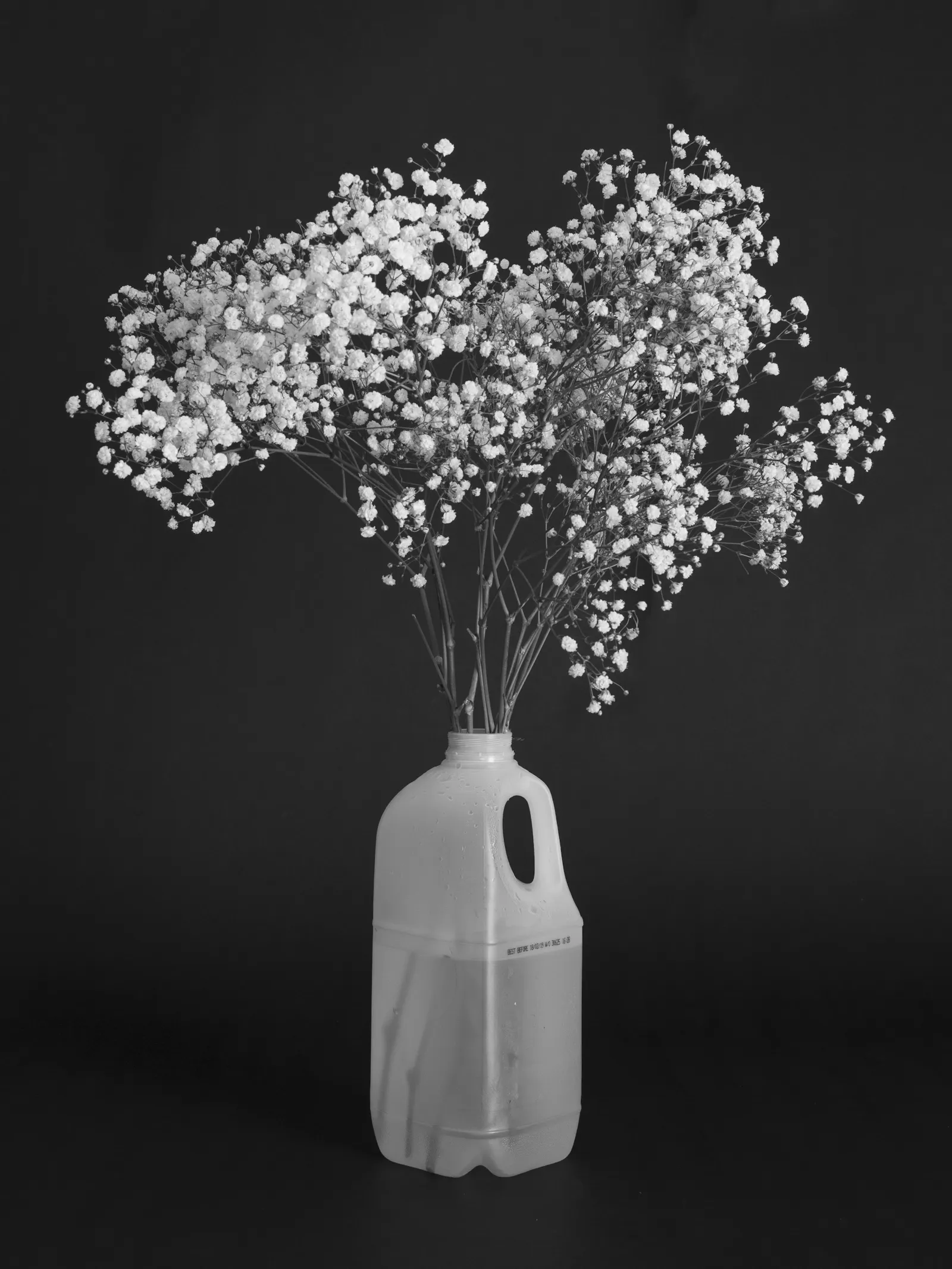
This as thatThis as That is a photographic study of appropriation in design. The study celebrates the imaginative and improvisational ways in which people reimagine and repurpose everyday activities and objects.
7
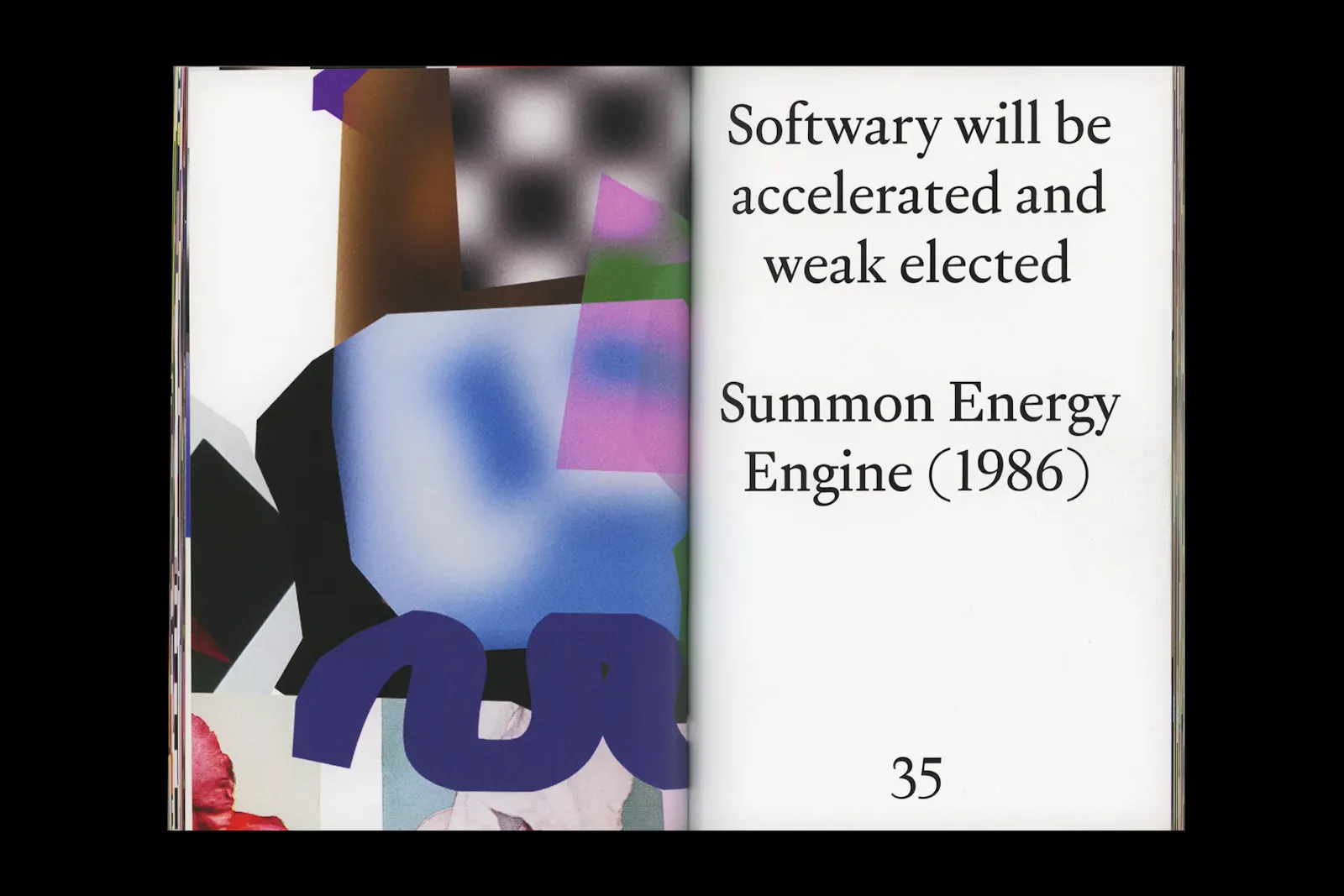
Echoes of the InhumanEchoes from the InHuman is a publication exploring human-computer collaboration through the medium of the book. Designed in partnership with machines, it brings together 160 procedurally generated illustrations and 30 texts created using a recurrent neural network. The image generation system was developed by U-P, with the text generation network developed by Max Woolf.
8
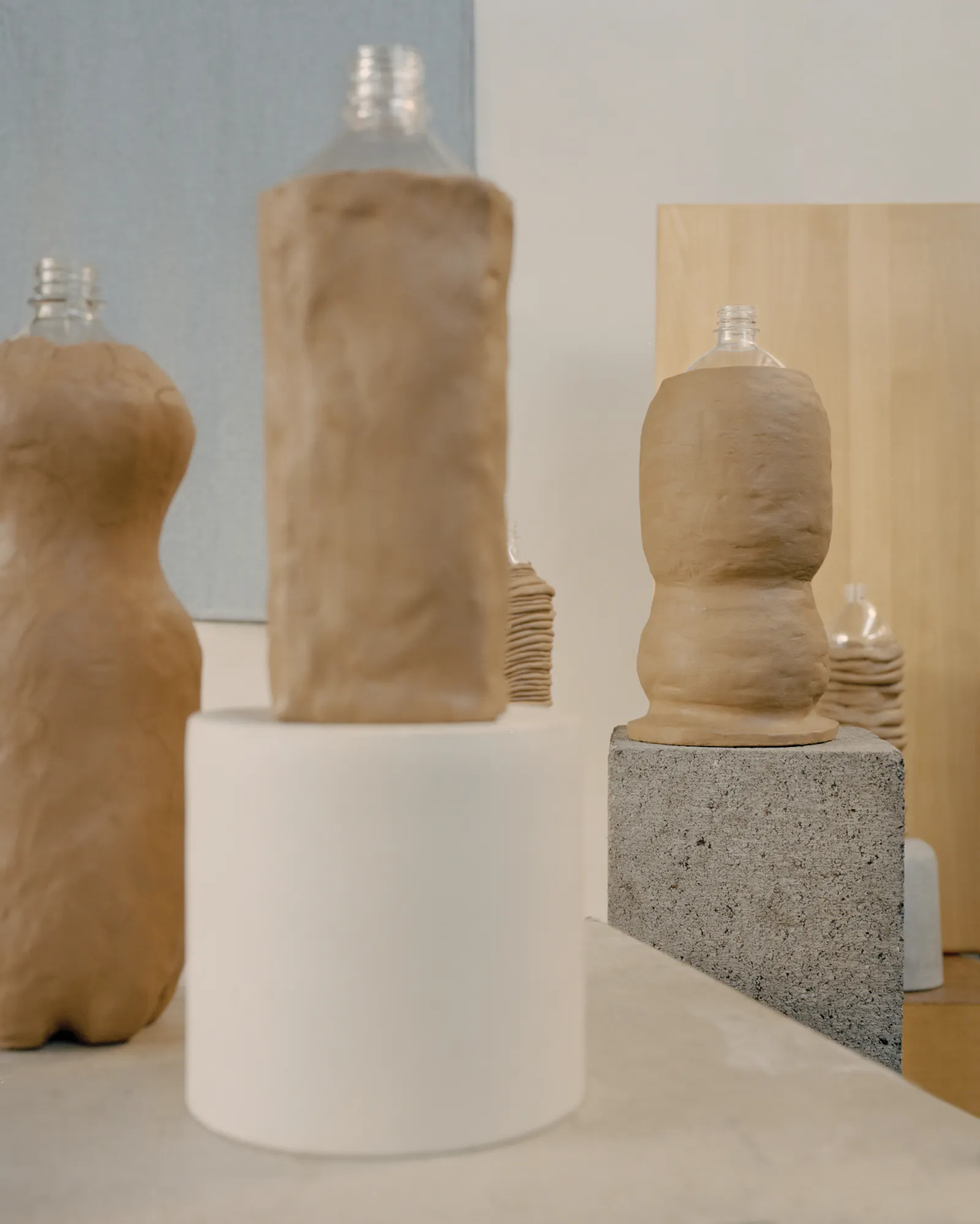
PlasticityProduced for Plasticity, an exhibition by the alt. material collective, this series explored the impact and persistence of plastic as a material. Plastic bottles were wrapped in clay, creating a series of forms that concealed the objects while remaining entirely dependent on them. The work explored a tension between natural and synthetic materials, permanence and disposability, questioning how everyday objects continue to shape the world long after their intended use.
We maintain an ongoing programme of study and self-directed projects, exploring questions that sit adjacent to and often inform our wider practice. This section brings together those investigations. Recent threads of enquiry have centred on ecological thinking, the material and conceptual possibilities of reuse, and the increasingly connected relationship between digital and physical environments. These investigations take many forms, from written pieces and visual experiments to prototypes and small publications. We see this research as essential to how the studio evolves. A space to test ideas, build new vocabularies, and consider how design might respond to the conditions of the present.